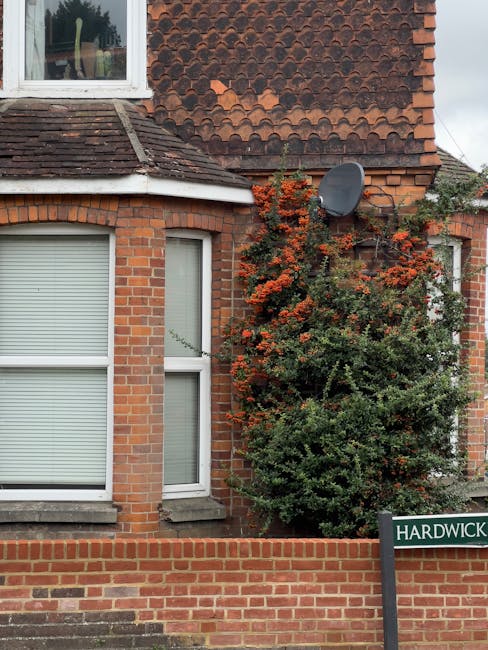
Hanwell Broadway Garden Maintenance Guide for Terraced Homes
Terraced gardens in and around Hanwell Broadway can be charming, but they rarely give you an easy life. You may have a narrow plot, awkward shade, shared boundaries, and just enough space for the bin store, a chair, and one stubborn patch of lawn that never seems to behave. That is exactly why a Hanwell Broadway garden maintenance guide for terraced homes matters: it helps you keep a small urban garden tidy, healthy, and genuinely usable without turning weekends into a second job.
Whether you are trying to tame a front garden that faces the street, revive a compact back garden, or keep a shared passageway presentable, the right routine makes a big difference. In this guide, you will find practical steps, seasonal priorities, common mistakes, and a few local realities that people in terraced homes often bump into. Nothing fluffy. Just the sort of advice that helps you decide what to do first, what to leave alone, and when it makes sense to get professional support through garden maintenance services.
Quick takeaway: terraced gardens stay healthier when maintenance is regular, light-touch, and tailored to the space rather than done in big, exhausting bursts. That sounds obvious. It is still where many gardens go wrong.
Table of Contents
- Why Hanwell Broadway Garden Maintenance Guide for Terraced Homes Matters
- How Hanwell Broadway Garden Maintenance Guide for Terraced Homes Works
- Key Benefits and Practical Advantages
- Who This Is For and When It Makes Sense
- Step-by-Step Guidance
- Expert Tips for Better Results
- Common Mistakes to Avoid
- Tools, Resources and Recommendations
- Law, Compliance, Standards, or Best Practice
- Options, Methods, or Comparison Table
- Case Study or Real-World Example
- Practical Checklist
- Conclusion
- Frequently Asked Questions
Why Hanwell Broadway Garden Maintenance Guide for Terraced Homes Matters
Terraced homes come with a very particular kind of garden pressure. The space is often narrow, overlooked, and used for several purposes at once. One corner might be for a compost caddy, another for a washing line, and another for a bit of peace when the weather finally behaves. If you neglect it for even a short stretch, weeds creep in quickly, pruning jobs pile up, and the whole place starts to feel smaller than it is.
In a busy area like Hanwell Broadway, many gardens also sit in the practical middle ground between private living space and visual frontage. That means the garden is not just for you. It affects kerb appeal, the feel of the street, and often the sense of order around your home. A tidy terrace garden can make a property feel calmer and more cared for. A neglected one can drag the whole impression down, even if the rest of the home is lovely.
There is another reason this matters. Terraced gardens are often harder to access than you expect. Side returns can be slim, fence lines can be awkward, and soil beds may be split by paving or utility runs. If you try to maintain them as if they were larger suburban plots, you usually waste effort. A smarter routine works better. Fewer grand plans. More rhythm.
Expert summary: The best terraced garden maintenance is consistent, compact, and realistic. If a task only gets done once a season, it is probably already too late for that space.
People sometimes think a small garden means less work. To be fair, it can mean less mowing, but it also means every untidy detail is more visible. A straggly hedge, a blocked drain cover, or a patch of slimy paving stands out immediately. That is why the right maintenance approach is not about doing more. It is about doing the right things at the right time.
How Hanwell Broadway Garden Maintenance Guide for Terraced Homes Works
Good maintenance starts with a basic understanding of your garden's structure. Terraced homes commonly have one or two key areas: a front garden, a back garden, or a narrow side or rear passage. Each part behaves differently in terms of light, moisture, airflow, and foot traffic. Once you understand that, the work becomes much easier to prioritise.
Here is the usual pattern. Shaded areas get moss, bare patches, and slower drying. Sunny areas may need more watering and more frequent pruning because growth is faster. Hard surfaces collect debris, algae, and leaf litter. Soil beds compact easily, especially if the garden is small and gets used a lot. None of that is unusual; it is just what terraced gardens do.
The maintenance process usually works best in layers:
- Inspect the space and note what has changed since the last visit or the last weekend you gave it proper attention.
- Clear leaves, litter, and dead growth so you can actually see what needs doing.
- Cut back overgrowth before it gets woody or tangled.
- Tidy the soil by weeding, lightly aerating, and adding mulch where needed.
- Check the hard landscaping for slippery paths, blocked drains, or loose edging.
- Finish with detail work such as edging, sweeping, and a final visual tidy.
That sequence might sound simple, but the order matters. If you prune first and clear later, you end up redoing work. If you weed without checking drainage, the same damp patches keep returning. Small jobs, done in the right sequence, are what keep compact gardens under control.
For many homeowners, the most efficient approach is a mix of light weekly tasks and deeper monthly work. That way the garden never gets away from you. And honestly, that is the whole trick.
Key Benefits and Practical Advantages
A well-maintained terraced garden does more than look nice. It becomes easier to use, safer underfoot, and less expensive to bring back into shape later. That last bit is often overlooked. A garden that is left too long can require harder cutting, more waste removal, and more time to restore. Regular maintenance keeps those jobs smaller and more manageable.
Here are the biggest practical advantages:
- Better curb appeal: especially important for front gardens and street-facing spaces.
- Less weed pressure: frequent attention prevents weeds from seeding and spreading.
- Healthier planting: shrubs, climbers, and bedding plants respond better to regular pruning and feeding.
- Safer paths and steps: moss, algae, and leaves can make hard surfaces slippery.
- More usable space: a tidy garden feels bigger, which is a lovely surprise in a terraced home.
- Lower long-term effort: small ongoing tasks reduce the need for heavy seasonal recoveries.
There is also a psychological benefit that people do not always mention. When the garden is manageable, you are more likely to use it. A cup of tea outside in the morning feels easier. So does opening the back door and not immediately feeling like you have to apologise to the plants. A neat garden can quietly improve the whole mood of a home.
If you are weighing up whether to DIY or bring in support, it may help to look at pricing and quotes early on. Not because you need to decide immediately, but because it gives you a sense of what ongoing care might look like as a routine rather than a rescue mission.
Who This Is For and When It Makes Sense
This guide is especially useful if you live in a terraced property and any of these sound familiar:
- You have a small garden that gets messy quickly.
- You share boundaries or access with neighbours.
- Your front garden needs to look presentable with minimal fuss.
- You have limited time and want a sensible routine.
- You have inherited an overgrown garden and do not know where to start.
- You want to prevent bigger problems like drainage issues or damaged paving.
It also makes sense for landlords, homeowners preparing to sell, and busy families who just want the space to function. There is no grand secret here. If your garden is small, visible, and used hard, maintenance pays for itself in time saved and stress avoided.
One real-world scenario comes up again and again: a homeowner lets the garden slide through winter, then tries to sort it all in one frantic weekend in spring. The hedge is too far gone, the borders are full of weeds, and the paving is slick with algae. Suddenly a quick tidy turns into an all-day project. Happens all the time.
If you prefer professional help rather than a catch-up marathon, you can read more about the team approach on the about us page and see the wider services overview.
Step-by-Step Guidance
Below is a practical maintenance routine that works well for most terraced gardens around Hanwell Broadway. Adjust it to suit your space, the season, and how much time you realistically have. Let's face it, perfection is not the goal. A garden that is consistently looked after will usually outshine a more ambitious one that is neglected for weeks.
1. Start with a full visual sweep
Stand at the back door or the gate and look across the garden slowly. Notice what feels crowded, what looks dry, what seems to be spreading, and where dirt gathers. You are not judging the space; you are mapping it. This is especially useful after wet weather, when drainage problems and moss show up fast.
2. Clear debris before anything else
Pick up fallen leaves, twigs, bin-lid litter, and any dead plant material. In a terraced setting, debris has a way of settling into corners and under planters. Clearing first makes every other job easier. It also helps reveal pests, rot, and early disease symptoms that would otherwise stay hidden.
3. Tackle weeds while they are small
In small gardens, weeds do not need much encouragement. Pull them when the soil is slightly damp but not waterlogged, and get the roots out where possible. Around paving, use a narrow hand tool rather than hacking aggressively; rough treatment can loosen joints or chip edges. Slow and steady beats dramatic. Usually.
4. Cut back overgrowth in layers
For shrubs and climbers, remove dead or crossing stems first, then trim the overall shape. Do not shave everything flat unless the plant genuinely suits that treatment. Terraced gardens often rely on climbers and vertical planting to save space, so pruning needs to be neat rather than brutal.
5. Refresh soil and mulch
Small gardens often suffer from tired soil. A light top-up of compost, organic matter, or mulch can make a real difference to moisture retention and weed suppression. Keep mulch away from stems and trunks, and do not smother the base of plants. A thin, even layer is usually enough.
6. Check drainage and hard surfaces
Walk the paving and steps. If you spot pooling water, algae, or loose slabs, deal with them promptly. A slightly damp, shaded terrace can become slippery without much warning. During autumn, this becomes more noticeable after leaf fall and longer wet spells.
7. Finish with edges and detail
Straight edging, swept paths, and cleaned corners make a small space look instantly better. It is a simple thing, but it matters. A garden with clean lines always feels more intentional, even if the planting is modest.
Expert Tips for Better Results
The difference between a garden that survives and one that looks genuinely cared for is often in the details. Here are the habits that tend to pay off in terraced homes.
- Work little and often. Fifteen minutes twice a week can beat one exhausting four-hour session.
- Use vertical space. Trellises, climbers, and wall planters can keep the floor area clear.
- Choose plants for the light you actually have. A sunny plant in a shady corner will sulk, and fair enough.
- Keep a waste bag or trug handy. If you have to keep walking back and forth, maintenance feels twice as long.
- Prune after looking, not before thinking. Once a branch is gone, it is gone.
- Mulch before summer heat builds. It is much easier to protect moisture than to recover a thirsty border.
A small but useful tip: keep one corner of the garden as a "quick-win" area. If the whole space feels overwhelming, tidy that one section first. Seeing progress early helps. It sounds almost too simple, but it works.
Another thing: if you are not sure whether a plant wants a hard cut or a light trim, go light. You can always remove more later. Plants do not usually thank you for enthusiasm delivered with loppers.
Common Mistakes to Avoid
Terraced gardens tend to fail in predictable ways. Knowing those traps helps you sidestep them before they become annoying, expensive, or both.
Leaving maintenance too long
The biggest mistake is waiting until everything feels urgent. Once weeds seed, hedges harden, and algae spreads, the job becomes slower and less satisfying.
Over-pruning evergreens and climbers
Hard cutting can damage shape and leave visible gaps. In small gardens, that means the problem is seen from the house every day. Not ideal.
Ignoring drainage and damp patches
Terraced plots often sit close to boundaries and paved areas, which can hold moisture. If water has nowhere to go, moss and rot become recurring issues.
Using the wrong plants for the space
Fast-growing species can take over a small garden surprisingly quickly. Likewise, a plant that needs full sun may never settle in a shaded back garden. Choose with the site, not with wishful thinking.
Forgetting the front edge
People sometimes focus on the main bed and leave the visible edge, path, or gate area messy. That front strip is usually what the eye sees first. It deserves attention.
Trying to do everything at once
If the garden has gone a bit wild, break it into sections. Otherwise you end up tired, irritated, and not finishing. A classic British garden-management moment, if ever there was one.
Tools, Resources and Recommendations
You do not need a shed full of specialist gear to maintain a terraced garden well. A small, reliable kit usually goes further than lots of gadgets gathering dust.
| Tool or Item | What It Helps With | Why It Matters in Terraced Homes |
|---|---|---|
| Hand fork and trowel | Weeding, soil care, planting | Useful in tight beds and narrow borders |
| Secateurs | Pruning small stems and dead growth | Gives cleaner cuts in confined spaces |
| Hedge shears or pruners | Shaping shrubs and climbers | Helps keep vertical growth under control |
| Rake and broom | Clearing leaves and debris | Essential for small paved areas and paths |
| Wheelbarrow or trug | Moving waste and materials | Makes short work of frequent small clearances |
| Gloves and kneeling pad | Protection and comfort | Handy when you are working close to the ground |
For homeowners who want maintenance done properly and with care for the site, it is worth checking details around working standards and site handling on the health and safety policy and insurance and safety pages. That kind of information is not glamorous, but it does matter.
If you are trying to reduce waste, improve reuse, or keep green waste handling sensible, the recycling and sustainability page is a useful place to understand the approach. Little things add up. They really do.
Law, Compliance, Standards, or Best Practice
For most homeowners, garden maintenance is straightforward, but there are still a few best-practice points worth keeping in mind. If you live in a terrace, boundary lines, shared access, and waste handling can all create minor headaches if nobody is paying attention.
In practical terms, this means:
- Respecting neighbour boundaries and not assuming a shared fence or wall can be altered without discussion.
- Keeping paths and access routes reasonably clear, especially where people may need to pass through safely.
- Handling waste responsibly, particularly after pruning or clearances that generate more green material than expected.
- Using tools safely and storing them out of the way when work is done.
If work is carried out by a professional service, it is sensible to confirm what is covered, how site safety is approached, and what terms apply before anything starts. The relevant pages on terms and conditions, payment and security, and privacy policy help set expectations clearly.
There is also a practical etiquette point that people sometimes forget: if your terraced garden backs onto neighbouring outdoor space, try to schedule louder jobs at reasonable hours. Nobody wants hedge cutting at the exact moment someone is trying to enjoy a quiet Sunday coffee. Common sense, really.
Options, Methods, or Comparison Table
There is more than one way to maintain a terraced garden. The best choice depends on time, confidence, and how quickly the space is deteriorating.
| Approach | Best For | Pros | Watch Outs |
|---|---|---|---|
| DIY weekly upkeep | Homeowners with a manageable garden and spare time | Low cost, flexible, keeps the garden in view | Easy to fall behind if life gets busy |
| Monthly reset plus light DIY | Small gardens that only need periodic deeper care | Balances effort and control | Can still build up weeds if weekly checks are skipped |
| Professional regular maintenance | Busy households, larger terraces, or problem gardens | Consistent results, less hassle, better long-term structure | Requires a service budget and clear expectations |
| One-off restoration | Overgrown or neglected spaces | Fast visual improvement | Needs follow-up care or the garden will slide back again |
For many Hanwell Broadway homes, the sweet spot is a light DIY routine supported by occasional professional visits. That gives you day-to-day control without leaving the hard work to chance. If you are unsure which option fits best, a look at pricing and quotes can help you compare practical next steps without committing too early.
Case Study or Real-World Example
Take a typical terraced back garden: narrow layout, one paved section near the house, a small border against the fence, and a few shrubs that have been left to do their own thing for a season too long. After a wet autumn, the paving is slightly slippery, the border has self-seeded weeds, and one climber is starting to pull across a window. Nothing dramatic. Just enough to make the space feel tired.
The maintenance fix is not complicated, but it does need order. First, clear the debris and remove the loose weeds. Then cut back the climber and thin the shrubs so light can move through them again. After that, tidy the edge where the paving meets the border, check for moss, and lightly mulch the soil. If the area is shaded, a bit more attention to drainage and airflow helps prevent the same issue returning.
What changes most is not only how the space looks, but how it feels. The door opens onto a garden that looks deliberate again. The paving stops feeling grimy underfoot. You notice the scent of damp soil after rain rather than the smell of decay. Small difference? Maybe. But you feel it every time you step outside.
That is the real value of maintenance for terraced homes. It turns the garden back into part of the home, instead of a problem waiting in the corner.
Practical Checklist
Use this checklist for a quick, realistic maintenance run-through. It is best for weekly or fortnightly upkeep in a terraced garden.
- Remove leaves, litter, and dead plant material.
- Check for weeds in beds, paving joints, and fence lines.
- Trim back any growth blocking paths, gates, or windows.
- Look for signs of moss, algae, or standing water.
- Water containers and young plants if the soil is dry.
- Deadhead flowers and remove damaged leaves.
- Sweep hard surfaces and tidy edges.
- Inspect boundaries, planters, and pots for damage or instability.
- Add mulch or compost if the soil looks tired.
- Set a reminder for the next maintenance session so the job does not disappear into next month's chaos.
If you can complete most of that in a short session, you are on the right track. It does not have to be dramatic. It just has to be regular.
Conclusion
A terraced garden near Hanwell Broadway does not need to be large to be rewarding. It just needs steady care, a sensible routine, and a bit of respect for the way small urban spaces behave. When maintenance is planned around the shape of the garden rather than against it, the work becomes easier and the result is better. Much better, usually.
The main lesson from this Hanwell Broadway garden maintenance guide for terraced homes is simple: stay ahead of problems before they become a full-scale tidy-up. Use small sessions, make smart plant choices, and pay attention to the details that matter most in compact spaces. That way, the garden becomes a place you actually enjoy rather than another job on the list.
If you would like help keeping your terraced garden in better shape, explore the services overview or get in touch through contact us. If you want to understand the business side first, you can also review the about us page and the site's support policies, including complaints procedure and accessibility statement.
Get a free quote today and see how much you can save.
Frequently Asked Questions
How often should a terraced garden in Hanwell Broadway be maintained?
For most terraced gardens, a light weekly tidy and a deeper monthly maintenance session work well. In spring and early summer, growth can pick up fast, so you may need to check borders and edges more often.
What makes terraced home gardens harder to maintain than larger gardens?
They are compact, more visible, and less forgiving. A little weed growth, clutter, or moss can make the whole space feel untidy very quickly. There is also less room to store tools or move around comfortably.
Can I keep a small terraced garden low-maintenance without making it dull?
Yes. The trick is choosing the right plants, keeping structure simple, and using containers or vertical planting to add interest without creating more work than the garden can handle.
What is the best way to stop weeds in a small garden?
Regular removal is the most effective approach. Mulching helps too, because it blocks light and slows new growth. In narrow paved areas, sweeping out debris also reduces the chance of weeds taking hold in joints.
Do I need professional garden maintenance, or can I do it myself?
If your garden is small and you enjoy the work, DIY may be enough. If the space is overgrown, awkward to access, or simply difficult to keep on top of, regular professional help can save time and prevent bigger problems.
How do I maintain a shaded terraced garden?
Shaded gardens usually need extra attention to drainage, moss, and airflow. Choose shade-tolerant plants, avoid overcrowding, and remove fallen leaves promptly so moisture does not linger too long.
What should I do with garden waste after pruning or clearing?
Small amounts can often be bagged and removed through your usual household routine, but larger clearances create more material and need a proper plan. Sustainable disposal and recycling practices are worth considering, especially after seasonal tidy-ups.
Is front garden maintenance more important than back garden maintenance?
Neither is always more important, but front gardens affect first impressions most directly. If time is short, the front edge, path, and visible planting usually deserve priority because they shape how the property feels from the street.
What are the most common signs that a terraced garden needs attention?
Weeds in paving joints, slippery paths, overgrown shrubs, patchy lawn areas, blocked drains, and tired-looking borders are all common signals. If you notice two or three of those at once, it is probably time for a proper tidy.
How can I make maintenance easier throughout the year?
Break tasks into small sessions, keep the right tools nearby, and do a quick check after wet or windy weather. The easier you make the routine, the more likely you are to stick with it, which is the real win.
Is there a good time of year to book professional garden maintenance?
Spring and autumn are often the busiest periods because gardens need the most attention then. If you are planning a larger tidy-up or seasonal reset, booking a bit ahead can help you avoid the rush.
Where can I learn more about the company before booking?
You can review the about us page, check the services overview, and read helpful support pages such as health and safety policy and payment and security if you want to understand how things are handled.
Sometimes the smallest gardens ask for the most thoughtful care. Once you find the rhythm, though, they give something lovely back.