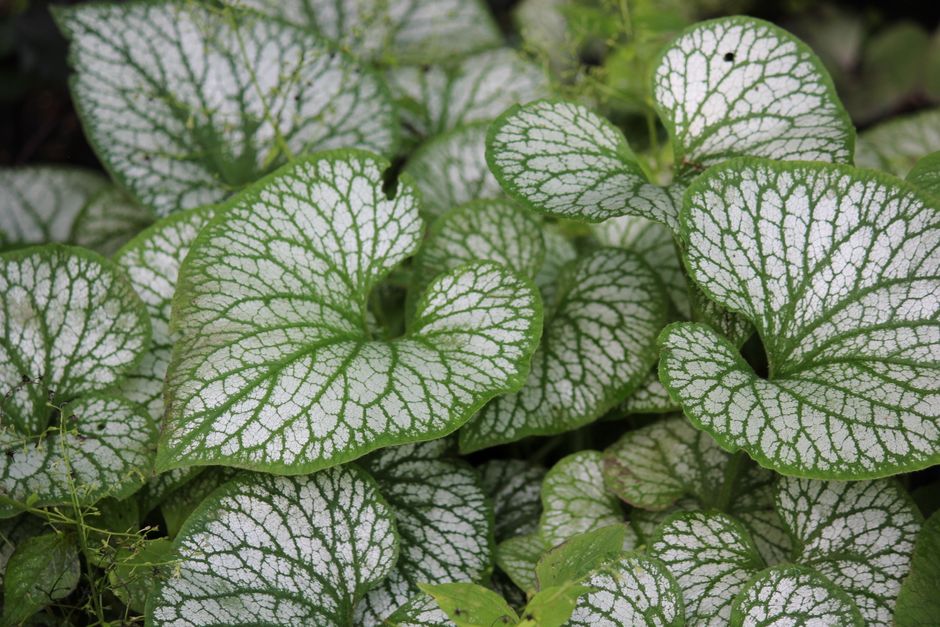
Elthorne Park gardeners planting guide for shady Hanwell spots
If you have a garden in Hanwell that looks bright for ten minutes, then slips back into shade by lunch, you are not alone. The Elthorne Park gardeners planting guide for shady Hanwell spots is built for exactly that kind of space: those side returns, north-facing borders, tree-shadowed corners, and fence lines that seem to stay damp, dim, and a bit neglected if nobody gives them a plan.
Shady gardening is not about forcing sun-loving plants to behave. It is about reading the site properly, choosing the right plants, and setting yourself up for steady success rather than constant disappointment. In this guide, you will find practical planting advice, realistic plant choices, common pitfalls, and a simple way to turn awkward shade into one of the most attractive parts of the garden. Let's face it, a shady patch can either become a dead zone or the best-looking bit on the property. The difference is usually planning.
If you also need help with the wider condition of the garden before planting, it can be worth looking at garden maintenance support or, if the area has become overgrown and cramped, garden clearance may be the cleaner starting point. A tidy base makes every planting decision easier.
Table of Contents
- Why Elthorne Park gardeners planting guide for shady Hanwell spots Matters
- How Elthorne Park gardeners planting guide for shady Hanwell spots Works
- Key Benefits and Practical Advantages
- Who This Is For and When It Makes Sense
- Step-by-Step Guidance
- Expert Tips for Better Results
- Common Mistakes to Avoid
- Tools, Resources and Recommendations
- Law, Compliance, Standards, or Best Practice
- Options, Methods, or Comparison Table
- Case Study or Real-World Example
- Practical Checklist
- Conclusion
- Frequently Asked Questions
Why Elthorne Park gardeners planting guide for shady Hanwell spots Matters
Shade changes everything. Soil stays cooler, evaporation slows, and the garden often feels wetter after rain. That can be great for some plants and a nightmare for others. In Hanwell, where gardens can be bordered by mature trees, close-set houses, fences, or outbuildings, shady areas are common. They are not a problem in themselves. They are simply a different growing condition.
This matters because many people shop for plants based on how they look in a sunny nursery bed, then wonder why they sulk at home. It is not laziness from the plant. It is mismatch. The right planting guide saves money, time, and a fair bit of frustration.
It also matters for garden design. A shady corner can soften hard landscaping, frame a path, or create a calm backdrop for brighter planting nearby. With the right structure, a shade border can look deliberate rather than patchy. And to be fair, a shady border often needs less watering once established than a hot, exposed one. That is useful in a normal British summer, when one week feels like drizzle and the next feels suspiciously Mediterranean.
Expert summary: In shady Hanwell gardens, success usually comes from three things: testing the type of shade, improving the soil, and choosing plants that suit the light you actually have, not the light you wish you had.
How Elthorne Park gardeners planting guide for shady Hanwell spots Works
The guide works by breaking shade into manageable categories. Not all shade is the same. Full shade under a dense canopy is very different from dappled shade beneath a tree, and both differ from a spot that gets morning sun but falls into shade after 2 p.m.
Good planting decisions start with observation. Watch the space across a day. Notice where the light lands in the morning, at midday, and late afternoon. Is the area dry, damp, sheltered, or exposed to wind? Is it shaded by a wall, a fence, or a tree root network that drinks water like nobody's business? These small details matter more than people think.
Once the light pattern is understood, the next step is matching plant groups to conditions. Shade-tolerant perennials, ferns, evergreen structure plants, and certain bulbs all perform well if the soil and moisture levels suit them. In a practical sense, the guide helps you avoid trial-and-error planting, which can be expensive and a bit disheartening after the third failed attempt.
If your shady area sits under hedges or mature boundary growth, a light trim can sometimes improve the amount of indirect light available. For that kind of boundary shaping, a professional hedge trimming service may help open up the space without stripping away privacy.
Key Benefits and Practical Advantages
Shady planting is not just about survival. Done well, it gives you a garden that feels layered, calm, and a bit more mature. Here are the main advantages:
- Better plant survival: Plants chosen for shade are less likely to scorch, wilt, or stall.
- Lower maintenance stress: Suitable planting usually means fewer replacements and less rescue work.
- Improved visual balance: Shade gardens often create contrast against brighter lawn areas, paving, or decking.
- More efficient use of awkward spaces: Those north-facing corners can become features instead of leftovers.
- Year-round interest: Evergreens, bark texture, and foliage shape matter more in shade, so the garden can still look good in winter.
There is also a subtle wellbeing benefit. A shady seat or path lined with cool foliage can feel restful on a summer afternoon. It has a different mood entirely from a sunny patio, and in a London garden that mix can be lovely. One area for brightness, one for calm. Simple, but effective.
Who This Is For and When It Makes Sense
This guide is for homeowners, landlords, and property managers in and around Hanwell who want to make the most of shaded outdoor space. It is especially useful if you have one of the following:
- a north-facing front garden or back border
- heavy shade from mature trees
- small urban gardens with high boundary fences
- a damp corner where grass refuses to behave
- a planting bed that always looks sparse by midsummer
It also makes sense if you are redesigning a garden rather than just topping up plants. Shade planting often works best when it is part of a wider plan. For example, if the whole space needs a rethink, landscape gardening or broader landscaping may be more useful than simply buying a few containers and hoping for the best. Hope is not a design method. Shame, really.
If your lawn is struggling under shade too, that is a separate question. Thin turf in dark areas often needs a different approach, and sometimes the honest answer is that lawn is the wrong surface there. A small mulch bed, groundcover planting, or paved feature can work better than forcing grass to do an impossible job. That is one of those small decisions that quietly improves everything.
Step-by-Step Guidance
Here is a practical way to tackle shady planting in Elthorne Park and the wider Hanwell area without overcomplicating it.
1. Identify the type of shade
Start by checking whether the area is deep shade, dappled shade, or partial shade. Deep shade is usually found under dense trees or tight between buildings. Dappled shade changes through the day, like light moving through leaves. Partial shade gets some direct sun, often early or late. This matters because plant choice depends on how much light reaches the leaves, not just whether the area feels gloomy to you.
2. Assess soil condition
Shady soils are often compacted, dry under trees, or waterlogged in low corners. Dig a small test hole and look at the structure. Is it sticky clay, dry and dusty, or full of roots? If the soil is poor, add organic matter gradually. Good soil structure gives roots somewhere to breathe and grow.
3. Choose plants for the exact conditions
Match plants to the site. For dry shade, think tough, resilient species with decent leaf texture. For damp shade, choose plants that tolerate moisture and low light. For dappled shade, you have more flexibility. The key is not to overstuff the bed with plants that all want different things. That's where the trouble starts.
4. Plan for layers
A strong shady border usually has a structure layer, a mid-layer, and a ground layer. Evergreen shrubs, small architectural plants, shade perennials, and groundcovers can work together. This gives the border depth even when flowers are not in bloom.
5. Mulch after planting
A mulch of composted bark or leaf mould helps protect soil moisture and suppress weeds. In shady spots, this often makes a bigger difference than people expect. It also gives the bed a neat finish straight away, which is handy when everything else still looks a bit freshly disturbed.
6. Water carefully in the first season
Shade does not mean no watering. New plants still need enough moisture to settle in. Water deeply but less often, and check under tree canopies because roots there compete aggressively. Early morning watering is usually the most sensible routine, especially during warmer spells.
7. Review after the first growing season
Some plants will perform better than others, and that is normal. Tweak spacing, add a little more mulch, remove failures, and expand the plants that genuinely like the site. Good shady borders are built over time. They rarely arrive fully formed in one go.
Expert Tips for Better Results
A few small adjustments can make a shady planting scheme far more successful.
- Use foliage first, flowers second. In shade, leaf shape, colour, and texture carry the design.
- Go lighter on soil disturbance near tree roots. Deep digging can damage established roots and set plants back.
- Choose a restrained colour palette. White, silver, soft pinks, blues, and fresh greens often read beautifully in low light.
- Repeat plants rather than scattering one of everything. Repetition makes a border feel calm and intentional.
- Leave room for growth. Shade plants can spread quietly, and cramped planting turns messy fast.
One useful real-world trick: if a shady area feels flat, add one taller evergreen or structural plant rather than more small flowers. It changes the whole rhythm of the bed. Just one good anchor plant can make the difference between "nice enough" and "properly designed".
If tree canopies are causing the shade and the site feels cramped or cluttered, selective tree work may be part of the solution. In those cases, tree lopping and removal should only be considered carefully and with proper judgement, especially where large established trees are involved. Sometimes a light reduction is enough; sometimes it is not. Best not to rush it.
Common Mistakes to Avoid
Most problems in shady gardens come from a few repeat mistakes. The good news is that they are easy to avoid once you know what to look for.
- Planting sun lovers in shade: Lavender, many salvias, and other sun-first plants usually struggle.
- Ignoring soil moisture: Dry shade and damp shade need different plant choices.
- Overcrowding: Filling every gap on day one can lead to poor air circulation and messy growth.
- Not improving the soil: Even shade-tolerant plants do better in healthy soil.
- Choosing only flowers: Without structure plants, shady beds can disappear outside bloom season.
- Forgetting maintenance: Shade beds still need deadheading, trimming, and occasional thinning.
Another one, and this is a classic: people assume shade means low effort. Not quite. Shade can mean less watering in summer, yes, but it can also mean more slug pressure, slower drying after rain, and more selective pruning. Nothing impossible. Just different. A bit like learning a new route home when the old one is blocked.
Tools, Resources and Recommendations
You do not need a huge kit to get started. Most shady planting jobs can be managed with a few sensible tools and materials.
| Item | Why it helps | Best use in shady beds |
|---|---|---|
| Spade or border fork | For preparing planting pockets and loosening compacted soil | Use carefully around tree roots and established shrubs |
| Hand trowel | Useful for smaller plants and container planting | Good for tight borders and awkward corners |
| Organic mulch | Retains moisture and improves soil surface | Especially helpful in dry shade |
| Compost or leaf mould | Improves soil structure and feeding conditions | Ideal when refreshing tired planting beds |
| Secateurs | For tidying dead growth and shaping plants | Useful through the growing season |
If you want a broader garden tidy before planting, the services overview is a sensible place to understand how maintenance, clearance, and landscaping support can fit together. For ongoing upkeep, garden maintenance can keep the new planting from slipping back into neglect after the initial work is done.
And if the garden needs a cleaner reset before any planting begins, a bit of garden clearance can make the job much less frustrating. There's no point planting into a jungle and pretending it is "natural charm".
Law, Compliance, Standards, or Best Practice
For ordinary planting, there is usually no special legal barrier, but there are some practical best-practice points worth keeping in mind in the UK. If your shady spot sits near a boundary, shared access, or a tree with wider implications, work carefully and sensibly. Avoid damaging neighbouring property, existing roots, drainage routes, or protected features. If a mature tree is part of the shading problem, caution is wise before any major pruning or removal is considered.
Best practice also means working safely. Wear gloves, use the right tools, and avoid unstable ladder work for simple garden planting tasks. If a job involves heavier clearance, awkward slopes, or overgrown boundaries, it is reasonable to ask for professional support. Safety is not overkill; it is just good sense.
For customers who want more reassurance before booking work, the company pages on insurance and safety and health and safety set out the kind of standards you would normally expect from a careful gardening service. If a provider cannot explain how they work safely around trees, tools, or uneven ground, that is a bit of a red flag, honestly.
It is also sensible to understand how pricing, payments, and quote handling work before arranging any larger project. The page on pricing and quotes can help set expectations without guesswork. Good planning includes money planning too, as boring as that sounds.
Options, Methods, or Comparison Table
Different shady spots call for different approaches. Here is a simple comparison to help you choose a planting style that fits the space.
| Shade type | Best planting style | Typical challenge | What usually works well |
|---|---|---|---|
| Deep shade | Structure-led, foliage-heavy planting | Low light and competition from roots | Evergreens, shade perennials, groundcover |
| Dappled shade | Mixed planting with some flowering variety | Changing light across the day | Ferns, woodland-style perennials, spring bulbs |
| Partial shade | Most flexible option | Plants can stretch if light is still limited | Many perennials, shrubs, and seasonal colour plants |
| Dry shade | Tough, drought-tolerant shade planting | Root competition and poor moisture retention | Mulch, soil improvement, resilient groundcover |
| Damp shade | Moisture-loving planting with decent airflow | Slugs and soft growth | Careful spacing, regular tidying, compatible plants |
If you are weighing up a bigger redesign, it may help to think in layers rather than individual plants. A simple layout with a low ground layer, mid-height filler, and a backdrop of structure plants usually beats a random mix of "nice things" every time. More coherent, less cluttered. Much easier to live with.
Case Study or Real-World Example
Here is a realistic example from a typical Hanwell-style garden setup. A narrow back border runs beside a fence and gets only morning light. The soil is compacted, and the area had been filled with a few tired annuals that flowered briefly, then gave up. The result was not awful, just unconvincing. A bit like a room with one lamp in the wrong corner.
The fix was straightforward:
- clear the old planting out
- loosen the surface soil without going too deep
- add compost and a mulch layer
- plant a few evergreen structure plants first
- follow with shade perennials and groundcover
- leave breathing room between plants
By late spring, the border had more shape and stayed attractive even when the flowers were not at their best. That was the key win. It stopped depending on one short season and started working as a permanent part of the garden. Not flashy. Just solid, and solid is underrated.
In situations like this, many homeowners decide the planting should be part of a wider maintenance routine rather than a one-off fix. That is often the smarter choice, especially if hedges, paths, and lawn edges all need attention at the same time. If you want to connect the dots across the whole outdoor space, lawn mowing and other ongoing care can keep the overall look tidy while the shaded border matures.
Practical Checklist
Use this checklist before you start planting in a shady Hanwell spot.
- Check how much light the area gets across the day.
- Work out whether the shade is dry, damp, or mixed.
- Look for tree roots, compacted soil, or drainage issues.
- Decide whether you need clearance or general tidy-up first.
- Choose plants suited to the exact light level.
- Include at least one structural or evergreen element.
- Improve soil with compost or organic matter where suitable.
- Add mulch to retain moisture and reduce weeds.
- Water new plants regularly until established.
- Review the bed after the first season and adjust if needed.
If a larger refresh is needed first, a professional-looking garden often starts with the basics: clean edges, healthy soil, and a clear plan. Strange how often the simple bit is the bit people skip.
Get a free quote today and see how much you can save.
Conclusion
A shady garden in Hanwell is not a limitation. It is a design condition. Once you accept the light you have, the whole process gets easier. The right Elthorne Park gardeners planting guide for shady Hanwell spots gives you a practical route from guesswork to confidence: read the shade, improve the soil, choose the right plants, and build the bed in layers.
That approach saves time and usually looks better too. More importantly, it gives you a garden that feels cared for rather than improvised. And in a local garden, that quiet difference matters. The best shady spaces do not shout. They settle in, look good for a long time, and make the rest of the garden feel more complete. There is something reassuring about that.
If you are ready to turn an awkward, dim corner into a proper planting feature, take it one sensible step at a time. Good shade gardening is patient work, but it pays you back beautifully.
Frequently Asked Questions
What plants are best for shady Hanwell gardens?
Shade-tolerant perennials, ferns, evergreen shrubs, and groundcover plants usually perform best. The exact choice depends on whether the area is dry shade, damp shade, or partial shade.
How do I know if my garden is in deep shade or partial shade?
Watch the space across a full day. If it gets little or no direct sun, it is likely deep shade. If it gets a few hours of sun, usually morning or evening, it is more likely partial shade.
Can I grow flowers in a shady garden?
Yes, but it helps to choose flowers that naturally cope with lower light. In shade, foliage plants often do the heavy lifting, with flowers used as accents rather than the whole design.
Why do plants fail in shady spots even when they are "shade tolerant"?
Often it is not just the shade. Poor soil, root competition, too much moisture, or the wrong type of shade can all cause problems. A plant that likes shade may still dislike dry roots or compacted ground.
Should I improve the soil before planting?
Usually, yes. Adding organic matter and loosening compacted soil can make a real difference, especially in older gardens or under trees. Just avoid disturbing major roots too heavily.
Is mulch worth using in shady beds?
Absolutely. Mulch helps retain moisture, suppress weeds, and improve the look of the bed. It is one of the simplest ways to give shady planting a better start.
Can I grow grass in a shady Hanwell corner?
Sometimes, but grass often struggles in heavy shade. If the area is dark and root-competed, a shade border, groundcover bed, or hard surface feature may be a better long-term choice.
How much maintenance do shade gardens need?
They still need regular attention, but often in a different way. Expect occasional pruning, deadheading, weed control, and checking for slugs or damp-related issues rather than constant watering in summer.
What is the biggest mistake people make with shady planting?
The biggest mistake is choosing plants for how they look in a shop, not for the real conditions in the garden. Light level, moisture, soil type, and root competition all matter.
Do I need professional help for a shaded garden?
Not always. Small borders can often be managed well by a homeowner with patience. But if the area needs clearance, tree work, wider redesign, or ongoing maintenance, professional help can save time and avoid expensive trial and error.
How do I make a shady border look attractive all year?
Use a mix of evergreens, textured foliage, and a few seasonal highlights. Repeating plants and adding structure helps the border look intentional even when flowers are not in bloom.
Can shade be improved without cutting down trees?
Often, yes. Selective pruning, lighter hedge shaping, and better plant placement can all help. Sometimes the answer is simply choosing plants that embrace the shade rather than fighting it.
For anyone planning a proper garden refresh, the next step is usually simple: look at the light honestly, then build the planting around it. That is where a shady garden starts to feel easy, even on a grey London morning.